
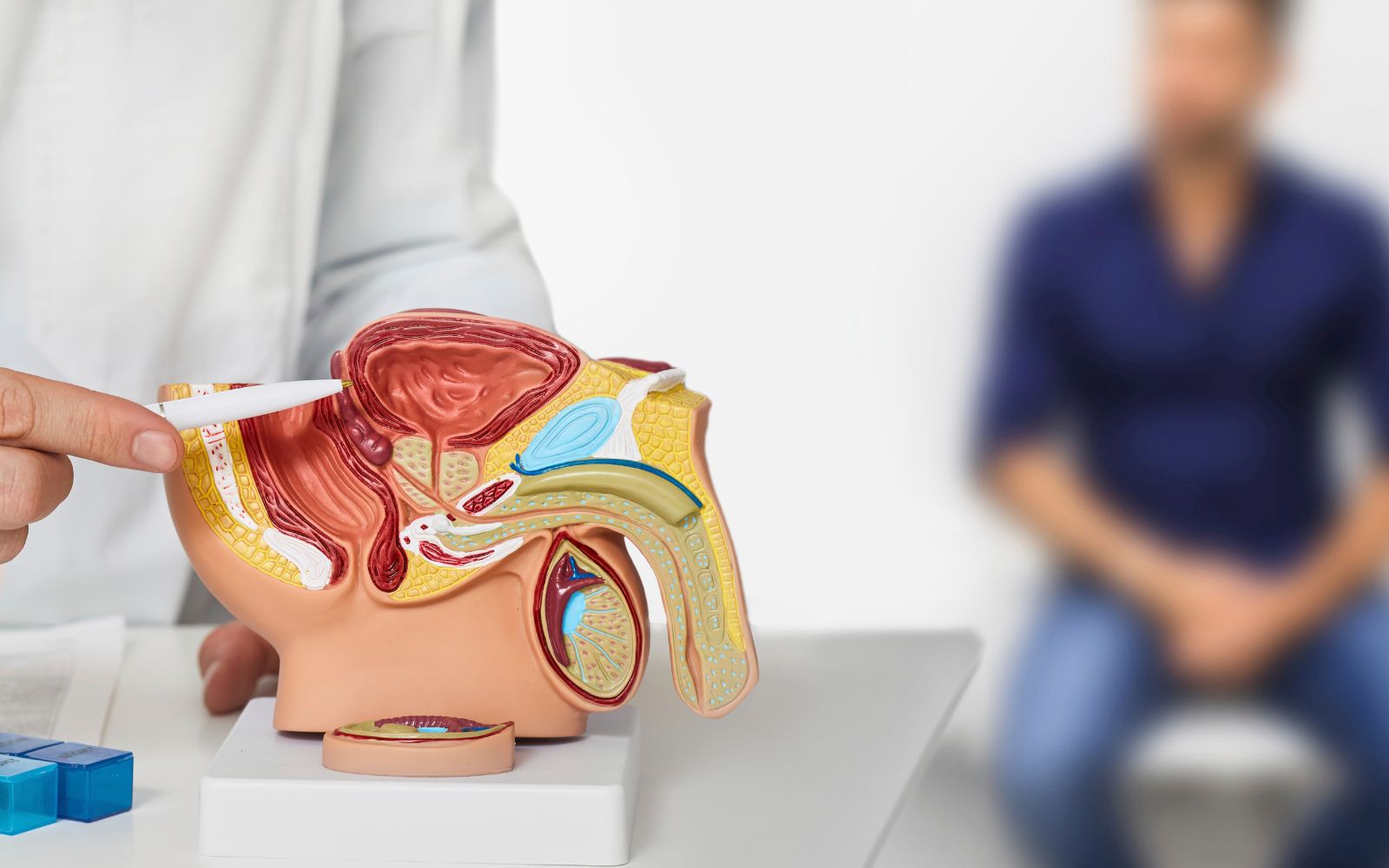
As men age, the risk of developing prostate problems increases. While many prostate issues are treatable, early detection is crucial for effective management. The prostate is a small, walnut-sized gland located below the bladder and is responsible for producing seminal fluid, which nourishes and transports sperm. Prostate problems can lead to a variety of symptoms, some of which may seem minor but should never be ignored. In this article, we will explore the early warning signs of common prostate issues that every man should watch for.
Common Prostate Conditions
Before diving into the specific warning signs, it's important to understand the most common prostate conditions:
- Benign Prostatic Hyperplasia (BPH): This is a non-cancerous enlargement of the prostate gland that often affects men as they age. BPH can cause urinary symptoms due to the pressure the enlarged prostate places on the bladder and urethra.
- Prostatitis: This is the inflammation of the prostate gland, which can occur due to bacterial infection or other causes. It can cause pain and discomfort in the pelvic area and urinary problems.
- Prostate Cancer: This is the most serious prostate condition, where malignant cells form in the tissues of the prostate. Prostate cancer is often slow-growing, but early detection is key to successful treatment.
Early Warning Signs to Watch For
Prostate issues often develop gradually, and the symptoms may be subtle at first. Being aware of the early warning signs can help you seek medical attention promptly. Here are the key symptoms that may indicate a prostate problem:
1. Frequent Urination, Especially at Night (Nocturia)
One of the most common early signs of prostate problems, particularly BPH, is an increased need to urinate, especially during the night. This symptom is often caused by the enlarged prostate pressing on the bladder, leading to the frequent urge to urinate, even if the bladder is not full.
What to watch for: Waking up multiple times at night to use the bathroom or feeling the need to urinate frequently during the day without a full bladder.
2. Difficulty Starting or Stopping Urination
If you notice that you're having trouble initiating the flow of urine, or if the stream starts and stops suddenly, this could be a sign of an obstructed urethra caused by an enlarged prostate.
What to watch for: Hesitancy when trying to urinate or a weak and interrupted stream.
3. Weak Urine Flow
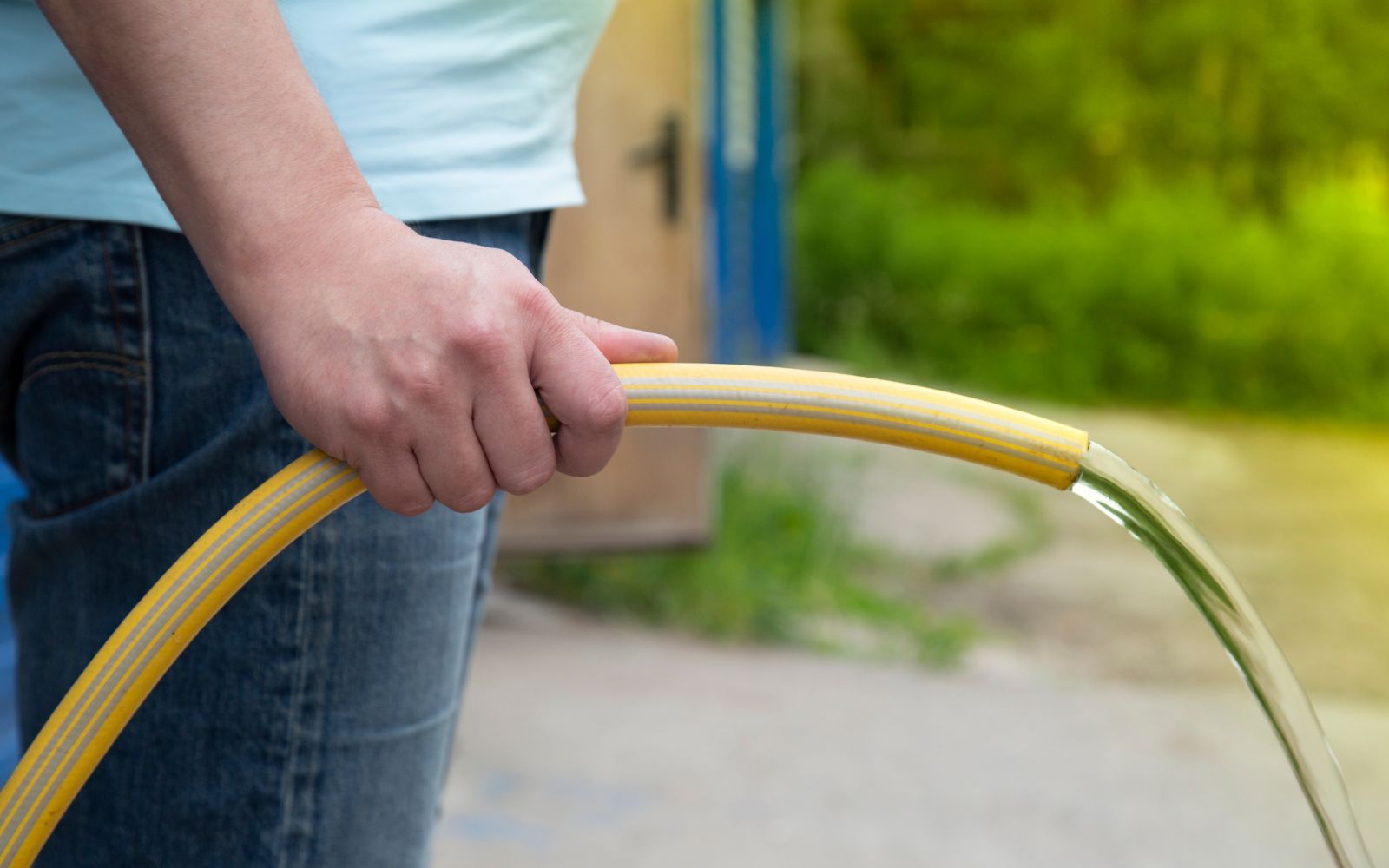 A decrease in the strength of your urine stream is another early indicator of BPH or other prostate issues. The prostate may be pressing on the urethra, making it harder for urine to pass through.
What to watch for: A noticeable reduction in the force of your urine stream, making it difficult to fully empty the bladder.
4. Painful or Burning Sensation During Urination
Pain or a burning sensation during urination could be a sign of prostatitis or even a urinary tract infection (UTI). While it is not always directly linked to prostate issues, it is a symptom that should never be ignored.
What to watch for: Persistent discomfort, pain, or burning when urinating.
5. Blood in Urine or Semen (Hematuria)
The presence of blood in your urine or semen is a concerning sign and may indicate an issue with the prostate. Although not always linked to prostate cancer, this symptom requires immediate medical evaluation.
What to watch for: Any traces of blood in your urine or semen, even if it's only a small amount.
6. Pain in the Pelvic or Lower Back Area
Pain or discomfort in the lower back, hips, or pelvic area may be a sign of prostatitis or, in some cases, advanced prostate cancer. While occasional discomfort in these areas is common as we age, persistent or worsening pain should be taken seriously.
What to watch for: Constant or increasing pain in the lower back, pelvic region, or groin.
7. Erectile Dysfunction or Difficulty Maintaining an Erection
Prostate issues, especially prostate cancer and its treatments, can interfere with sexual function. If you're experiencing difficulty achieving or maintaining an erection, this could be related to prostate health.
What to watch for: Persistent erectile dysfunction that may not improve with common treatments.
 When to Seek Medical Attention
If you experience any of the symptoms mentioned above, it's important to consult a healthcare professional. While some symptoms may seem minor, they can be indicative of a larger issue, such as BPH, prostatitis, or even prostate cancer. Early detection and treatment are key to managing prostate conditions and preventing more serious complications.
In many cases, prostate issues are diagnosed through a combination of a digital rectal exam (DRE), a prostate-specific antigen (PSA) blood test, and imaging tests. These screenings are vital for catching prostate problems early, when they are most treatable.
Preventing Prostate Problems
While some risk factors for prostate issues, such as age and genetics, cannot be controlled, there are lifestyle changes that may help reduce your risk:
- Maintain a healthy diet: Eating a diet rich in fruits, vegetables, and healthy fats can promote prostate health. Foods like tomatoes (rich in lycopene), fatty fish, and green tea have been linked to lower prostate cancer risk.
- Exercise regularly: Physical activity improves circulation and supports overall health, which can have positive effects on the prostate.
- Stay hydrated: Proper hydration supports urinary and prostate health.
Prostate health is a critical aspect of men's well-being, especially as they age. Being aware of the early warning signs of prostate issues can help you catch problems early and seek prompt treatment. If you're experiencing any of the symptoms discussed in this article, don't wait?talk to your doctor and take control of your prostate health today.
For more information on prostate health and natural supplements to support it, visit our blog at bimpexwellness.com.