
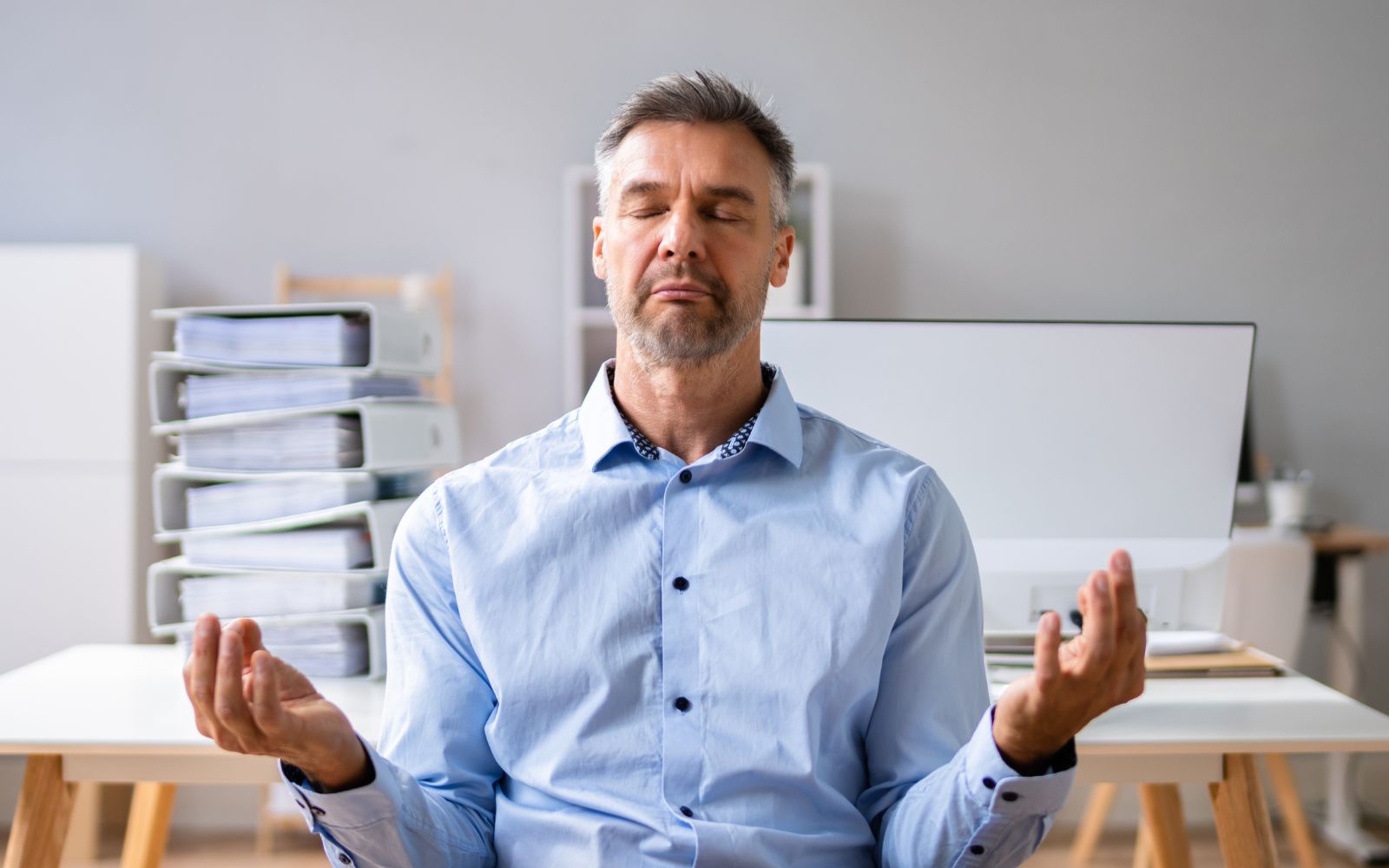
Stress is an inevitable part of life, but chronic stress can take a toll on both physical and mental health. Finding effective ways to manage stress is crucial for maintaining overall well-being. This article explores natural remedies and relaxation techniques that can help reduce stress levels and promote a sense of calm and balance.
Understanding Stress
Stress is the body's response to perceived threats or challenges. It triggers the release of hormones like cortisol and adrenaline, which prepare the body for a "fight or flight" response. While this reaction is helpful in certain situations, chronic stress can lead to various health issues, including anxiety, depression, heart disease, and weakened immune function. Recognizing the signs of stress and implementing effective management strategies can mitigate these negative effects.
Natural Remedies for Stress Management
1. Herbal Supplements
Several herbal supplements have been traditionally used to alleviate stress and promote relaxation.
Ashwagandha: This adaptogenic herb has been used in Ayurvedic medicine for centuries to help the body adapt to stress and maintain balance. Studies have shown that ashwagandha can reduce cortisol levels and improve stress resilience.
Chamomile: Known for its calming properties, chamomile can help reduce anxiety and promote better sleep. Drinking chamomile tea before bedtime can enhance relaxation.
Lavender: Lavender is renowned for its soothing effects. Whether used as an essential oil in aromatherapy or taken as a supplement, lavender can help reduce anxiety and improve mood.
2. Nutritional Support
A balanced diet plays a significant role in managing stress. Certain nutrients can support the body's stress response and improve overall well-being.
Omega-3 Fatty Acids: Found in fatty fish, flaxseeds, and walnuts, omega-3 fatty acids can reduce inflammation and promote brain health, helping to mitigate the effects of stress.
Magnesium: Magnesium is essential for muscle relaxation and nervous system function. Foods rich in magnesium, such as spinach, almonds, and avocados, can help reduce stress and promote relaxation.
B Vitamins: B vitamins, particularly B6 and B12, support the nervous system and energy production. Incorporating foods like whole grains, eggs, and leafy greens can help maintain optimal levels of these vitamins.
3. Physical Activity
Exercise is a powerful stress-relief tool that releases endorphins, the body's natural mood elevators.
Cardiovascular Exercise: Activities like walking, running, swimming, and cycling can improve mood, reduce anxiety, and enhance overall mental health.
Yoga: Yoga combines physical postures, breathing exercises, and meditation to promote relaxation and reduce stress. Regular practice can improve flexibility, strength, and emotional well-being.
Tai Chi: This ancient Chinese martial art focuses on slow, deliberate movements and deep breathing. Tai chi can help reduce stress, improve balance, and enhance overall health.
Relaxation Techniques
Incorporating relaxation techniques into daily life can significantly reduce stress levels and promote a sense of calm.
1. Deep Breathing Exercises
Deep breathing exercises can activate the body's relaxation response and reduce stress. One effective technique is diaphragmatic breathing, which involves breathing deeply into the abdomen rather than shallowly into the chest.
4-7-8 Breathing: Inhale through the nose for a count of four, hold the breath for a count of seven, and exhale through the mouth for a count of eight. Repeat several times to promote relaxation.
2. Progressive Muscle Relaxation (PMR)
PMR involves tensing and then slowly releasing each muscle group in the body. This technique can help reduce physical tension and promote a state of relaxation.
Step-by-Step PMR: Starting with the toes, tense each muscle group for a few seconds, then slowly release. Move up the body, focusing on each muscle group, until you reach the head.
3. Mindfulness Meditation
Mindfulness meditation involves focusing on the present moment and accepting it without judgment. This practice can reduce stress, improve emotional regulation, and enhance overall well-being.
Guided Meditation: Listening to guided meditation recordings can help beginners practice mindfulness. Focus on the breath, bodily sensations, or a mantra to stay present.
Lifestyle Changes
Making certain lifestyle changes can also help manage stress effectively.
Adequate Sleep: Quality sleep is essential for stress management. Establish a regular sleep routine, create a relaxing bedtime environment, and avoid screens before bed to improve sleep quality.
Time Management: Effective time management can reduce stress by preventing last-minute ordeals and overwhelming workloads. Prioritize tasks, set realistic goals, and take regular breaks.
Social Support: Strong social connections can provide emotional support and reduce stress. Spend time with family and friends, and consider joining support groups or engaging in community activities.
Managing stress is essential for maintaining overall health and well-being. Natural remedies like herbal supplements, a balanced diet, and regular physical activity, combined with relaxation techniques such as deep breathing, progressive muscle relaxation, and mindfulness meditation, can significantly reduce stress levels. By incorporating these strategies into daily life, you can promote a sense of calm and balance, enhancing your overall quality of life.
For further reading on stress management, consider exploring the following sources:
Mayo Clinic: Stress Management
American Psychological Association: Stress Management